Professional Water Damage Restoration in Fayetteville, NC — Certified & Locally Operated
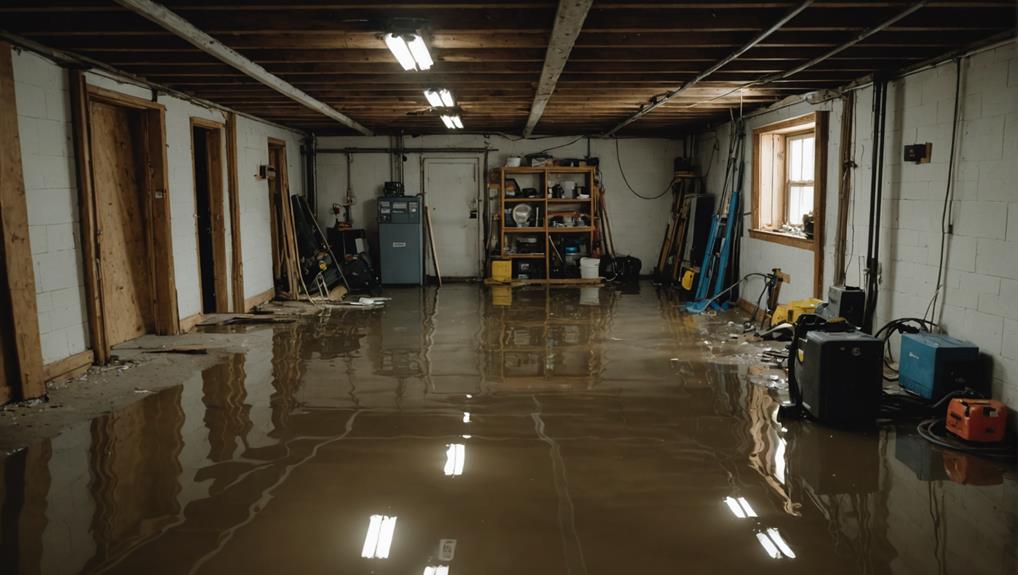
When water damage strikes your Fayetteville home or business, professional water damage restoration in Fayetteville, NC begins with an immediate response. Fayetteville Water Damage Restoration serves all of Cumberland County with IICRC-certified water restoration technicians trained to ANSI/IICRC S500 standards. Our locally operated crews understand the specific challenges Fayetteville properties face—from Cape Fear River flooding to hurricane-season storm surge.
Cumberland County’s humid subtropical climate and proximity to the Cape Fear River basin create persistent water damage risks for neighborhoods like Haymount, Westover, and Jack Britt. Fayetteville has experienced significant flooding events, including Hurricane Matthew in 2016 when the Cape Fear River crested at 58.94 feet and Tropical Storm Debby in 2024. Older homes in the Haymount Historic District and mid-century ranch-style properties in Westover face elevated risks from aging plumbing and outdated drainage systems.
Call (910) 586-9668 now for emergency water damage restoration Fayetteville NC property owners trust. Our technicians arrive in under 30 minutes with truck-mounted extraction units, commercial-grade dehumidifiers, and thermal imaging equipment to locate hidden moisture behind walls and under flooring.
📞 Get Help Now — (910) 586-9668
Water Damage Restoration Service Specifications
Every Fayetteville water damage restoration project includes detailed documentation with moisture readings, photo evidence, and itemized scope-of-work reports compliant with IICRC S500 standards.
- Response Time:
- Under 30-minute dispatch to all Fayetteville zip codes. Technicians on call 24 hours a day, 7 days a week, including holidays.
- Service Area:
- All Fayetteville zip codes (28301–28314), Hope Mills, Spring Lake, Raeford, Eastover, Stedman, and greater Cumberland County.
- Certifications:
- IICRC Water Restoration Technician (WRT), IICRC Applied Structural Drying (ASD), EPA Lead-Safe Certified Firm.
- Equipment & Technology:
- Truck-mounted extractors, LGR dehumidifiers, axial air movers, infrared thermal cameras, penetrating and pin-type moisture meters, hydroxyl generators for odor removal.
- Pricing:
- Fayetteville-area projects average $2,150–$2,300 based on local market data. Free on-site estimates with no obligation. Price varies by water category, affected square footage, and materials involved.
- Insurance:
- Direct billing with all major carriers including State Farm, USAA, Allstate, Liberty Mutual, and TRICARE-adjacent military housing insurers. We handle claims paperwork from start to finish.
- Guarantee:
- 1-year written workmanship warranty on all water damage restoration. Final moisture verification with documented readings below IICRC drying goals before project closeout.
Common Causes of Water Damage in Fayetteville Homes & Businesses
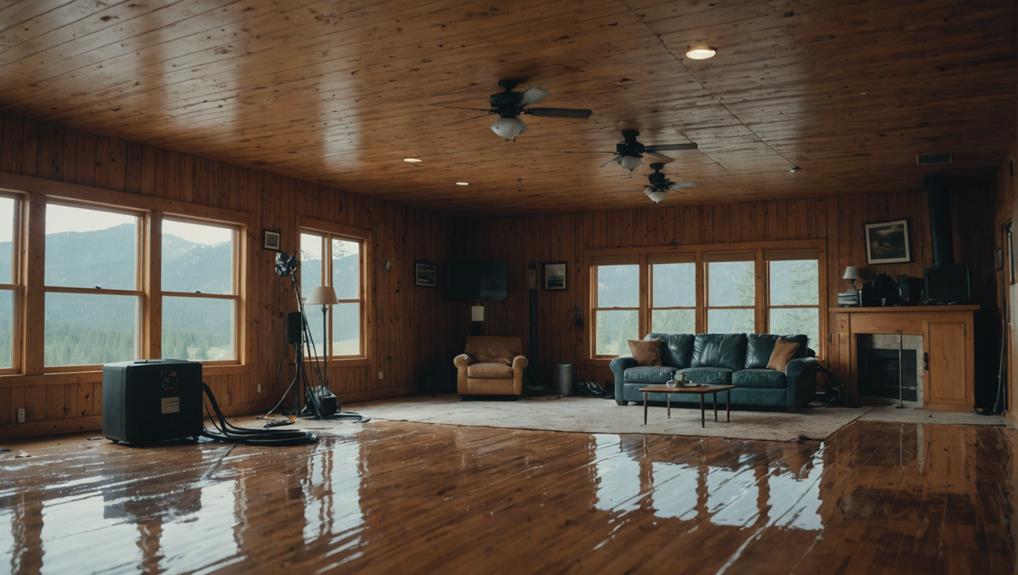
Fayetteville’s location along the Cape Fear River, its humid subtropical climate, and aging housing stock create multiple water damage risk factors unique to Cumberland County.
Cape Fear River & Storm Flooding
The Cape Fear River runs directly through Fayetteville and has a documented history of catastrophic flooding. Hurricane Matthew in 2016 caused the river to crest at 58.94 feet. Properties in low-lying areas near Person Street, Cross Creek, and Blounts Creek face the highest flood risk during hurricane season from June through November.
Aging Plumbing in Historic Neighborhoods
Homes in Haymount’s Historic District, many built in the early 1900s, often have original cast-iron or galvanized steel pipes prone to corrosion and sudden failure. Mid-century ranch homes in Westover near Fort Liberty frequently experience supply line bursts and water heater failures due to aging infrastructure. These failures can release 50–100 gallons of water per hour if not shut off immediately.
Humidity-Driven Condensation & Mold
Cumberland County averages 80% relative humidity in summer months. Homes with inadequate vapor barriers or poorly sealed crawl spaces experience chronic moisture intrusion. Properties in subdivisions like Jack Britt and Seventy-First with slab-on-grade foundations are especially susceptible to moisture wicking through concrete.
Appliance Failures & Supply Line Breaks
Washing machine hoses, dishwasher connections, and refrigerator ice-maker lines are the leading cause of interior water damage in Fayetteville homes. Military families at Fort Liberty-adjacent housing in Spring Lake and the Westover area face elevated risk due to high tenant turnover and deferred appliance maintenance. A single burst washing machine hose can flood 1,000+ square feet within an hour.
Our 7-Step Water Damage Restoration Process
Every Fayetteville water damage restoration project follows the IICRC S500 Standard for Professional Water Damage Restoration. Each step is documented with timestamped photos and moisture readings.
-
Step 1: Emergency Contact & Dispatch
Call (910) 586-9668 and speak with a live dispatcher 24/7. We gather details about the water source, affected areas, and property access. A certified technician is dispatched to your Fayetteville location within 30 minutes.
-
Step 2: On-Site Inspection & Moisture Mapping
Technicians conduct a full assessment using infrared thermal cameras and penetrating moisture meters. We classify the water damage by IICRC category (clean, gray, or black water) and class (extent of saturation). A detailed moisture map documents every affected area of your property.
-
Step 3: Standing Water Extraction
Truck-mounted extractors remove standing water at rates up to 200 gallons per minute. Submersible pumps handle deep-water situations common in Fayetteville properties affected by Cape Fear River flooding. This step removes up to 90% of water from the structure.
-
Step 4: Structural Drying & Dehumidification
LGR (low-grain refrigerant) dehumidifiers and high-velocity air movers are positioned based on the moisture map. Drying typically requires 3–5 days depending on materials and humidity levels. Daily moisture readings are documented and compared against IICRC drying goals.
-
Step 5: Antimicrobial Treatment & Sanitization
EPA-registered antimicrobial agents are applied to all affected surfaces to prevent mold colonization. In Cumberland County’s humid climate, mold can begin growing within 24–48 hours of water exposure. Category 2 and Category 3 water losses receive additional disinfection protocols.
-
Step 6: Restoration & Repairs
Damaged drywall, flooring, baseboards, and insulation are removed and replaced as needed. We match existing materials and finishes to maintain your property’s appearance. Structural repairs are performed by licensed contractors in compliance with Cumberland County building codes.
-
Step 7: Final Inspection & Documentation
A final moisture verification confirms all materials are dried below IICRC standards. You receive a complete project file including before-and-after photos, moisture logs, and an itemized invoice. This documentation supports insurance claims and protects your warranty coverage for 12 months.
Timeline & Costs for Fayetteville Water Damage Restoration Projects
Water damage restoration costs in Fayetteville, NC average $2,150–$2,300 based on completed local projects. Final cost depends on water category, affected square footage, and materials requiring replacement.
| Damage Level | Typical Scenario | Affected Area | Estimated Cost | Timeline |
|---|---|---|---|---|
| Minor (Class 1) | Leaking supply line under sink | Up to 100 sq ft | $500–$1,200 | 1–2 days |
| Moderate (Class 2) | Water heater failure or dishwasher overflow | 100–400 sq ft | $1,200–$2,500 | 3–5 days |
| Significant (Class 3) | Burst pipe or sewage backup affecting multiple rooms | 400–1,000 sq ft | $2,500–$5,000 | 5–7 days |
| Severe (Class 4) | Storm flooding or Cape Fear River overflow | 1,000+ sq ft with structural saturation | $5,000–$12,000+ | 7–14 days |
Estimates are based on 2025–2026 Fayetteville-area project data and national restoration industry averages. Actual costs vary based on water category, materials affected, accessibility, and required demolition. A free on-site inspection is required for an accurate written estimate. Emergency and after-hours service carries no additional surcharge.
Why Choose Fayetteville Water Damage Restoration
Fayetteville Water Damage Restoration is a locally operated, IICRC-certified restoration company serving Cumberland County. Our technicians live in the Fayetteville area and understand the specific water damage risks that Cape Fear River proximity and North Carolina’s humid climate create for local property owners.
IICRC-Certified Technicians
Every technician holds current IICRC Water Restoration Technician (WRT) certification and follows ANSI/IICRC S500 drying standards. Ongoing training ensures our crew uses current best practices for structural drying, moisture detection, and antimicrobial application.
Under 30-Minute Local Response
Our crews are stationed within Cumberland County and respond to all Fayetteville zip codes in under 30 minutes. Faster response means less secondary damage from moisture migration, which can begin affecting adjacent materials within the first hour of water exposure.
Direct Insurance Billing
We bill your insurance carrier directly and handle all claims documentation including Xactimate estimates, moisture logs, and photo reports. Our team works with State Farm, USAA, Allstate, Liberty Mutual, and all other major carriers serving the Fayetteville market.
1-Year Written Warranty
Every completed project includes a 1-year written workmanship warranty. If moisture-related issues arise in restored areas within 12 months of project completion, we return at no additional cost to inspect and correct the problem.
DIY vs. Professional Water Damage Restoration Comparison
| Factor | DIY Approach | Professional Service |
|---|---|---|
| Water Extraction Speed | ✗ Shop vacs remove 1–2 gallons per minute | ✓ Truck-mounted extractors remove up to 200 gallons per minute |
| Moisture Detection | ✗ Visual inspection misses moisture trapped behind walls and under floors | ✓ Infrared thermal cameras and penetrating moisture meters locate hidden moisture with precision |
| Drying Time | ✗ Box fans and household dehumidifiers may take 7–14 days and often leave residual moisture | ✓ Commercial LGR dehumidifiers and air movers achieve IICRC drying standards in 3–5 days |
| Mold Prevention | ✗ No antimicrobial treatment; mold can colonize within 24–48 hours in Fayetteville’s humid climate | ✓ EPA-registered antimicrobials applied to all affected surfaces immediately after extraction |
| Insurance Coverage | ✗ DIY work is rarely reimbursable and may void future claims for related damage | ✓ Professional documentation with Xactimate estimates supports full insurance reimbursement |
| Long-Term Outcome | ✗ Incomplete drying leads to warped subfloors, hidden mold, and musty odors months later | ✓ Verified drying to IICRC standards with a 1-year written warranty on all restored areas |
What to Expect When You Call
When you call (910) 586-9668, a live dispatcher collects details about your water damage situation and dispatches a certified technician to your Fayetteville property within 30 minutes. On arrival, the technician performs a full inspection with thermal imaging, explains the scope of work, and begins emergency water extraction immediately. You receive daily progress updates with documented moisture readings throughout the drying process. Once IICRC drying goals are verified, we complete any necessary repairs and provide a full project file for your records and insurance claim.
Common Water Damage Restoration Project in Fayetteville
📍 Typical Water Damage Restoration Project: Burst Water Heater in Westover Home
- Typical Scenario:
- A homeowner in the Westover neighborhood near Fort Liberty discovered a failed water heater tank that had released approximately 40 gallons of water into the utility closet, hallway, and adjacent bedroom. Water had wicked into carpet, pad, drywall, and baseboard trim across roughly 300 square feet.
- Our Approach:
- Our crew arrived within 25 minutes and began truck-mounted extraction immediately. After removing standing water, we placed six air movers and two LGR dehumidifiers based on moisture mapping readings. Wet carpet pad was removed and saturated drywall was cut 2 feet above the flood line. EPA-registered antimicrobials were applied to all exposed wall cavities and subfloor.
- Typical Outcome:
- The project reached IICRC drying goals in 4 days. New drywall, baseboard, and carpet pad were installed within 6 days total. The homeowner’s insurance covered the full cost of $2,100 through direct billing. The project included a 1-year written workmanship warranty.
Local Fayetteville Water Damage Risks & Prevention
Cape Fear River Basin & Flood-Prone Areas
Properties near the Cape Fear River, Cross Creek, and Blounts Creek face documented flood risk. The Cape Fear River crested at 58.94 feet during Hurricane Matthew (2016) and at 68 feet during the 1945 Homestead Hurricane. Homes along Person Street and in low-lying areas south of downtown Fayetteville should maintain current flood insurance policies and consider backflow prevention valves on sewer lines.
Aging Plumbing in Established Neighborhoods
Haymount’s historic homes, many constructed between 1900 and 1940, often contain original galvanized steel or cast-iron drain lines susceptible to internal corrosion and sudden failure. The mid-century ranch homes throughout Westover and Massey Hill commonly have polybutylene supply lines, a material known for brittle fracture failures. Property owners in these neighborhoods should schedule annual plumbing inspections and replace high-risk supply lines proactively.
Hurricane Season Preparedness
Cumberland County falls within the hurricane impact zone, with the Atlantic hurricane season running from June 1 through November 30. Fayetteville has sustained major damage from Hurricane Matthew (2016), Hurricane Florence (2018), and Tropical Storm Debby (2024). Property owners should ensure roof flashing is intact, gutters are cleared, and sump pumps are tested before each hurricane season. Maintain a relationship with a certified restoration company before an emergency occurs.
Crawl Space & Foundation Moisture in Cumberland County
Cumberland County’s humid subtropical climate creates persistent moisture challenges for homes with crawl space foundations. Inadequate vapor barriers allow ground moisture to migrate into floor joists and subfloor materials. Properties in newer subdivisions like Jack Britt and areas off Cliffdale Road should verify that 6-mil polyethylene vapor barriers are installed and intact. Annual crawl space inspections can identify moisture problems before they become structural damage.
Prevention Checklist for Fayetteville Property Owners
- Inspect washing machine hoses every 6 months and replace rubber hoses with braided stainless steel lines
- Test sump pumps quarterly by pouring water into the pit until the float switch activates
- Clear gutters and downspouts before each hurricane season (June–November)
- Install water leak detection sensors near water heaters, washing machines, and under kitchen sinks
- Schedule annual plumbing inspections, especially in homes older than 30 years
- Verify crawl space vapor barriers are intact and extend to all foundation walls
- Know the location of your main water shutoff valve and ensure all household members can operate it
- Maintain current flood insurance if your property is in a FEMA-designated flood zone near the Cape Fear River
Insurance Claims Help for Fayetteville Residents
Most homeowner’s insurance policies in North Carolina cover water damage caused by sudden and accidental events such as burst pipes, appliance failures, and storm damage. Flood damage from rising water, including Cape Fear River overflow, requires a separate National Flood Insurance Program (NFIP) policy. Fayetteville Water Damage Restoration works directly with your insurance adjuster to document losses and submit claims on your behalf.
We prepare industry-standard Xactimate estimates that insurance adjusters recognize and accept. Our project files include timestamped photos, daily moisture readings, material inventories, and itemized scope-of-work documents. This documentation ensures your claim is processed accurately and reduces the risk of underpayment. Military families using USAA or military housing insurance can rely on our experience with these carriers in the Fort Liberty area.
Our 5-Step Insurance Claim Process
- We document the damage immediately upon arrival with photos, video, and initial moisture readings before any work begins.
- A detailed Xactimate estimate is prepared and submitted directly to your insurance carrier within 24 hours.
- We communicate with your adjuster throughout the project, providing access for on-site inspections as needed.
- Daily moisture logs, material inventories, and progress photos are compiled into a complete claim file.
- Upon project completion, final documentation and invoicing are submitted to your carrier for direct payment—you pay only your deductible.
Insurance Coverage Guide
Homeowner’s policies typically cover burst pipes, appliance leaks, and storm damage to the structure. Flood damage from the Cape Fear River or storm surge requires a separate NFIP flood policy. Review your policy annually and photograph your belongings for claims documentation.
Direct Insurance Billing
Fayetteville Water Damage Restoration bills your insurance carrier directly. You pay only your deductible at project completion. We accept assignments from State Farm, USAA, Allstate, Liberty Mutual, Nationwide, Erie, and all other carriers operating in North Carolina.
Certifications & Equipment We Use
IICRC Certifications
Our technicians hold current IICRC Water Restoration Technician (WRT) and Applied Structural Drying (ASD) certifications. The IICRC is the globally recognized certification body for the cleaning and restoration industry, and WRT certification requires demonstrated knowledge of water damage restoration principles, procedures, and health and safety practices as defined by the ANSI/IICRC S500 standard.
EPA & Safety Compliance
Fayetteville Water Damage Restoration operates as an EPA Lead-Safe Certified Firm, which is required when performing renovation work in pre-1978 homes—common in Fayetteville’s Haymount and downtown neighborhoods. All antimicrobial products used on our projects are EPA-registered and applied according to manufacturer specifications and IICRC guidelines.
Equipment Deployed on Every Project
- Truck-Mounted Water Extractors — High-capacity extraction units that remove standing water at rates up to 200 gallons per minute from carpeted and hard-surface floors.
- LGR Dehumidifiers — Low-grain refrigerant dehumidifiers remove up to 30 gallons of moisture per day from the air, accelerating structural drying in Fayetteville’s humid conditions.
- Axial & Centrifugal Air Movers — High-velocity air movers create directed airflow across wet surfaces to increase evaporation rates in walls, floors, and ceilings.
- Infrared Thermal Cameras — FLIR thermal imaging cameras detect temperature differentials caused by hidden moisture behind walls, above ceilings, and under flooring without invasive testing.
- Penetrating & Pin-Type Moisture Meters — Dual-mode moisture meters provide accurate readings in drywall, wood, concrete, and other building materials to verify drying progress against IICRC standards.
- Hydroxyl Generators — UV-based hydroxyl generators eliminate odors caused by water damage and microbial growth without producing ozone, making them safe for occupied spaces.
Why You Can Trust Fayetteville Water Damage Restoration
North Carolina licensed general contractor with general liability and workers’ compensation insurance covering all Cumberland County projects.
All technicians hold current IICRC Water Restoration Technician (WRT) and Applied Structural Drying (ASD) certifications.
Live dispatchers available around the clock at (910) 586-9668. Under 30-minute response to all Fayetteville and Cumberland County addresses.
Every completed project includes a 1-year written workmanship warranty covering all restored areas against moisture-related defects.
Serving Fayetteville and Surrounding Communities
Fayetteville Water Damage Restoration provides under 30-minute emergency response to all of Cumberland County and surrounding communities in southeastern North Carolina.
Zip codes served: 28301 • 28303 • 28304 • 28305 • 28306 • 28307 • 28308 • 28310 • 28311 • 28312 • 28314 • 28348 • 28376 • 28390 • 28391 and surrounding Cumberland County.
Frequently Asked Questions About Water Damage Restoration in Fayetteville, NC
How long does water damage restoration take in Fayetteville?
Most residential water damage restoration projects in Fayetteville take 3–7 days from extraction through final drying verification. Minor incidents affecting less than 100 square feet may be completed in 1–2 days. Severe flooding, such as Cape Fear River overflow affecting an entire ground floor, can require 7–14 days for full drying and restoration. Timeline depends on water category, affected materials, and square footage.
What does water damage restoration cost in Fayetteville, NC?
Based on completed Fayetteville-area projects, water damage restoration averages $2,150–$2,300. Minor incidents under 100 square feet typically cost $500–$1,200. Major flooding events affecting 1,000+ square feet can reach $5,000–$12,000 or more. We provide free on-site estimates before any work begins, and most homeowner’s insurance policies cover sudden water damage events.
Does insurance cover water damage restoration in North Carolina?
Most North Carolina homeowner’s insurance policies cover water damage from sudden and accidental events like burst pipes, appliance failures, and storm-driven roof leaks. Flood damage from rising water, including Cape Fear River overflow, requires a separate NFIP flood insurance policy. We bill your insurance carrier directly and handle all claims documentation. You typically pay only your deductible.
Can I stay in my home during water damage restoration?
In most cases involving Class 1 or Class 2 water damage in limited areas, you can remain in your home during restoration. Equipment like dehumidifiers and air movers do produce noise comparable to a loud fan. If the damage involves Category 3 (black water) contamination, sewage backup, or affects critical areas like bathrooms and kitchens, temporary relocation may be necessary for health and safety reasons.
How do I prevent mold growth after water damage restoration?
Mold can begin colonizing within 24–48 hours of water exposure, especially in Fayetteville’s humid climate. Professional restoration includes EPA-registered antimicrobial treatment on all affected surfaces. After restoration, maintain indoor humidity below 60% using your HVAC system or a standalone dehumidifier. Monitor restored areas for musty odors or discoloration for the first several months.
What is the difference between Category 1, 2, and 3 water damage?
Category 1 (clean water) comes from sanitary sources like broken supply lines. Category 2 (gray water) contains contaminants from sources like washing machine overflow or dishwasher leaks. Category 3 (black water) includes sewage, river floodwater, or any water that has contacted soil—common during Cape Fear River flooding. Each category requires different safety protocols, and contaminated water requires more extensive treatment.
Do you handle water damage from Cape Fear River flooding in Fayetteville?
Yes. Fayetteville Water Damage Restoration responds to river flooding events affecting properties near the Cape Fear River, Cross Creek, and Blounts Creek. River floodwater is classified as Category 3 (black water) and requires specialized extraction, demolition of contaminated porous materials, and thorough antimicrobial treatment. We have responded to flooding from Hurricane Matthew (2016), Hurricane Florence (2018), and Tropical Storm Debby (2024).
Are you available 24/7 for emergencies in Fayetteville?
Yes. Call (910) 586-9668 any time of day or night, including weekends and holidays. A live dispatcher answers and coordinates technician dispatch within minutes. Our crews respond to all Fayetteville and Cumberland County addresses in under 30 minutes. There is no additional surcharge for after-hours or weekend emergency calls.
What North Carolina regulations apply to water damage restoration?
North Carolina does not require a specific water damage restoration license, but most restoration work falls under the state’s general contractor licensing requirements. Fayetteville Water Damage Restoration operates as a licensed general contractor in North Carolina. Work in pre-1978 homes requires EPA Lead-Safe Certification. All disposal of contaminated materials follows Cumberland County waste management regulations.
How do I know if hidden water damage exists behind walls or under floors?
Hidden water damage is common because moisture migrates through drywall, insulation, and subflooring by capillary action. Signs include musty odors, bubbling paint, warped baseboards, and soft spots in flooring. Our technicians use infrared thermal cameras that detect temperature differentials caused by trapped moisture and penetrating moisture meters that read moisture levels inside walls and under flooring without destructive testing.
Service Guarantees
1-Year Written Workmanship Warranty
All water damage restoration work is backed by a 1-year written warranty. If moisture-related issues develop in any restored area within 12 months of project completion, we return to inspect and correct the issue at no additional charge to the property owner.
IICRC S500 Compliance Guarantee
Every project follows the ANSI/IICRC S500 Standard for Professional Water Damage Restoration. We document all moisture readings and do not close out a project until affected materials are verified dry to IICRC-specified drying goals using calibrated moisture meters.
Transparent Pricing with No Hidden Fees
You receive a written scope-of-work estimate before non-emergency restoration begins. Emergency water extraction starts immediately, and a detailed estimate follows within 24 hours. There are no surcharges for after-hours, weekend, or holiday emergency calls.
Complete Insurance Documentation
We provide a full claims-ready project file including timestamped before-and-after photos, daily moisture logs, material inventories, and Xactimate-formatted estimates. This documentation meets the standards required by all major insurance carriers operating in North Carolina.
Get Fast, Professional Water Damage Restoration in Fayetteville Today
Water damage worsens by the minute—moisture migrates into walls, subfloors, and insulation within the first hour. Call Fayetteville Water Damage Restoration at (910) 586-9668 now for certified emergency water damage restoration in Fayetteville, NC with under 30-minute response.
📞 (910) 586-9668Call Now — Free Assessment